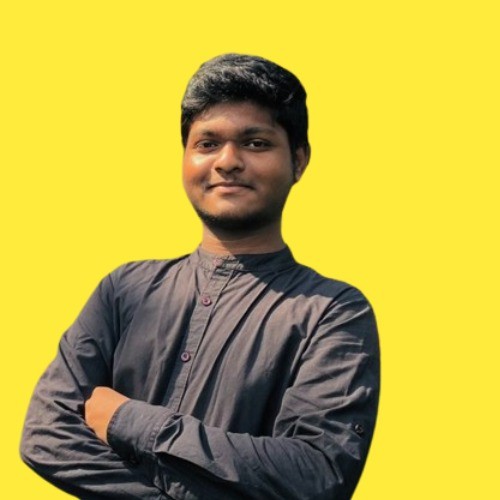
👋🏼 Hey there, I’m Sohith!
I’m a final-year Bioinformatics undergrad at Saveetha School of Engineering, SIMATS University, Chennai, fascinated by how biological structures translate into measurable phenotypes in disease models. My work sits at the intersection of anatomy, biomedical imaging, and computational analysis, where I explore how machine learning and quantitative pipelines can help transform complex biological data into reproducible insights.
What I’m Working On
Right now, I’m a student researcher at the University of Colorado Colorado Springs (with Ioncure), building AI tools using NLP, Computer Vision, and Machine Learning to study patterns related to neurodegeneration and biomedical data analysis.
More broadly, I’m interested in computational phenotyping—integrating imaging, anatomical, and molecular datasets to better understand disease mechanisms and biological variation.
My Journey So Far
Over the past few years, I’ve had the opportunity to work on interdisciplinary projects across anatomy, structural biology, and machine learning.
Joint Institute for Nuclear Research: Worked on virtual histology of irradiated mouse tissue using atlas-guided approaches. I helped automate the quantification of TUNEL-positive apoptotic cells, which introduced me to the challenge of translating complex tissue architecture into standardized and reproducible phenotypic measurements.
National Dong Hwa University, Taiwan: As a TEEP@Asia+ Scholar, I built a machine learning pipeline for TB/NTM classification using MALDI-TOF mass spectrometry data, integrating spectral preprocessing, feature engineering, and model evaluation to identify diagnostic biomarkers.
Chang Gung University, Taiwan: As an IIPP Scholar in the Department of Biomedical Sciences under Dr. Scott Charles Schuyler, I analyzed structural data of the Influenza A (H5N1) RNA-dependent RNA polymerase complex to identify potential target sites for small-molecule inhibition. This pilot project, supported by NT$2.6M in funding and conducted in collaboration with IIT Delhi and RIIS Okayama University, focuses on developing cost-effective antiviral strategies. I will also be developing an AI-driven virtual screening pipeline to evaluate ~10 million compounds for potential inhibitors.
KEK, Japan: Worked at the Structural Biology Research Center, gaining exposure to X-ray crystallography and Cryo-EM workflows and contributing to technical documentation to support future researchers and interns.
Beyond the Lab
Outside research, I enjoy mentoring students and creating open educational resources related to computational neuroscience and data science. I’ve worked with students from under-resourced backgrounds, helping them learn programming and scientific thinking.
Travel has also been a big part of my research journey—from quiet Taiwanese cafés to late-night ramen runs in Tokyo—experiences that constantly remind me how collaborative and global science really is.
Looking Ahead
I’m particularly interested in developing quantitative and reproducible pipelines for biological phenotyping, combining imaging, anatomy, and machine learning to better understand disease models and biological systems.
Let’s Connect!
If you’re into computational biology, imaging-based analysis, or AI in biomedical research, I’d love to connect and talk science.
Research Experience
Current Experience
 Research Collaborator / Ongoing Research Intern, Chang Gung University, Taoyuan, Taiwan (Hybrid) AUG’ 25 - PRESENT
Analyzing Influenza A virus RdRp (H5N1) structures to identify and prioritize potential target sites for small-molecule inhibition in this pilot project funded with NT$2,600,000, in collaboration with the Department of Chemical Engineering, IIT Delhi, and RIIS, Okayama University, Japan. Developing and implementing an AI-driven virtual screening pipeline for ~10 million compounds to discover cost-effective, orally available inhibitors for avian feed applications under the guidance of PI Scott C. Schuyler, aiming to reduce zoonotic transmission.
Undergraduate Student Researcher, University of Colorado Colorado Springs (UCCS), Colorado Springs, United States of America (Remote)
DEC’ 24 - Present
Working in collaboration with the University of Colorado and Ioncure to develop and apply AI-driven methods for evaluating neurodegeneration awareness. Leveraging Natural Language Processing (NLP), Computer Vision, Machine Learning, and advanced data science techniques to analyze diverse data sources.


 Research Assistant, Manipal University College, Melaka, Malaysia (Hybrid)
MAY’ 24 - Present
Analyzed Solanum nigrum extract for antibacterial compounds using GC-MS data, successfully identifying 50 bioactive components under the guidance of Dr. Sugapriya. This research has laid the groundwork for novel antimicrobial investigations using plant-based compounds. Conducted in silico docking studies on M. tuberculosis MurE ligase using AutoDock Vina to identify potential anti-TB agents from S. nigrum extract. Currently, I am assisting with writing research papers, contributing to book chapters, and supporting various ongoing projects in the field of antimicrobial research.
Previous Experience
JULY' 25 - AUG' 25
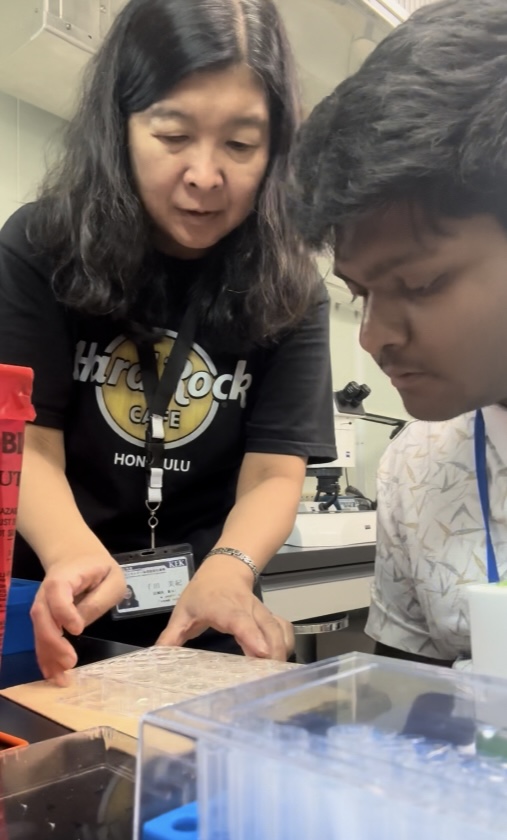
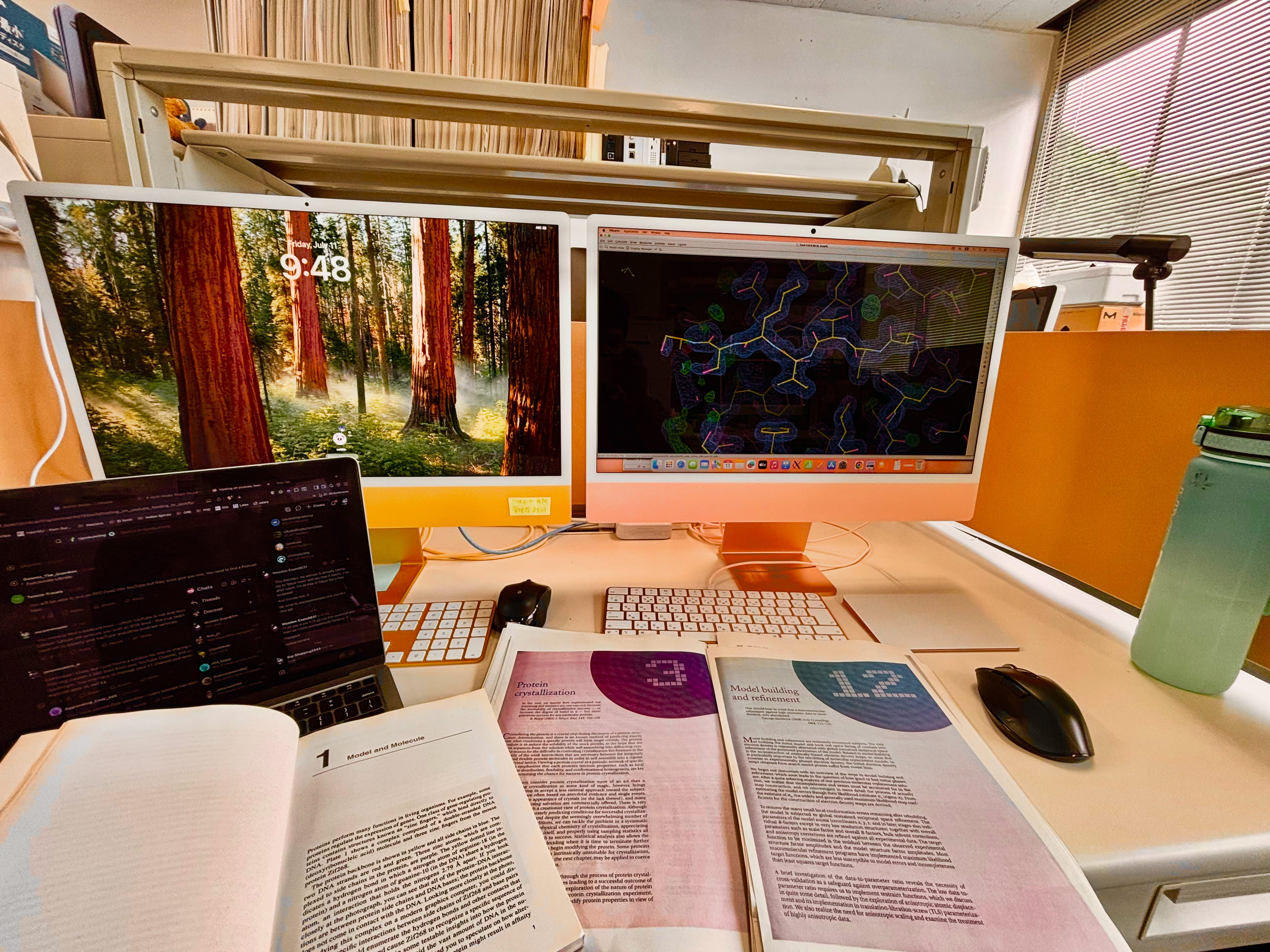
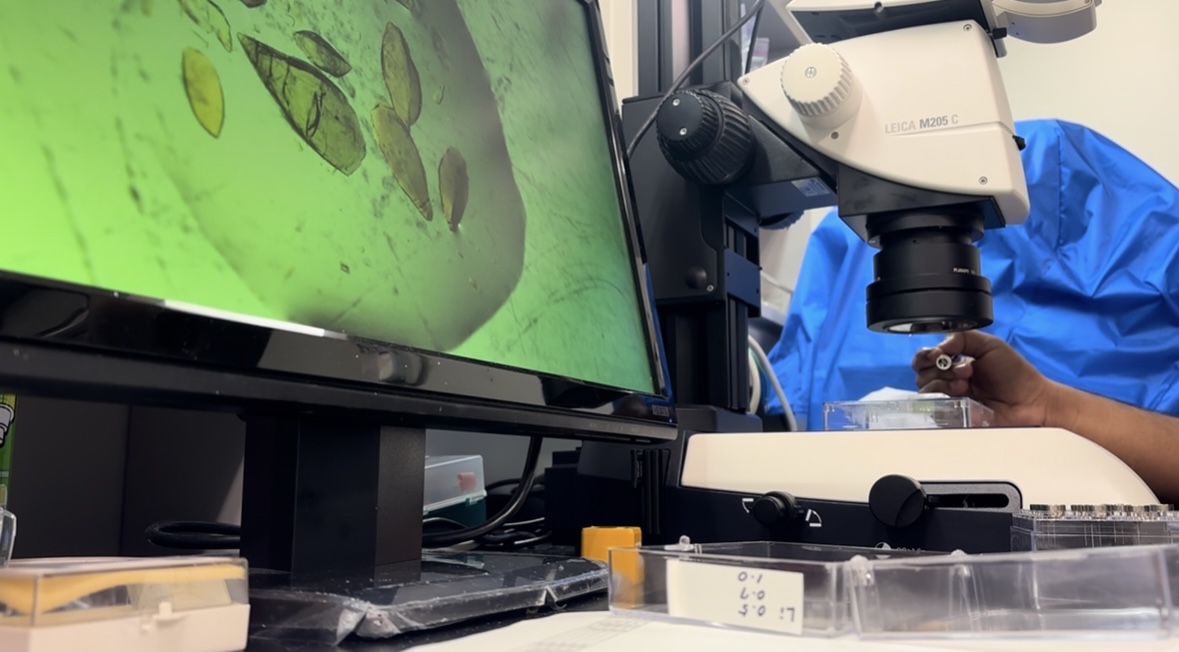
Worked at Structural Biology Research Center (SBRC), Institute of Materials Structure Science, High Energy Accelerator Research Organization (KEK), under Toshio Moriya-sensei & Miki Senda-sensei. Actively engaged in structural biology research focusing on X-ray crystallography refinement and Cryo-Electron Microscopy (Cryo-EM) analysis of protein structures. Assisted in the creation of beginner-friendly English manuals and technical documentation to support future international interns and early-stage researchers at KEK, covering common workflows and troubleshooting in macromolecular crystallography.
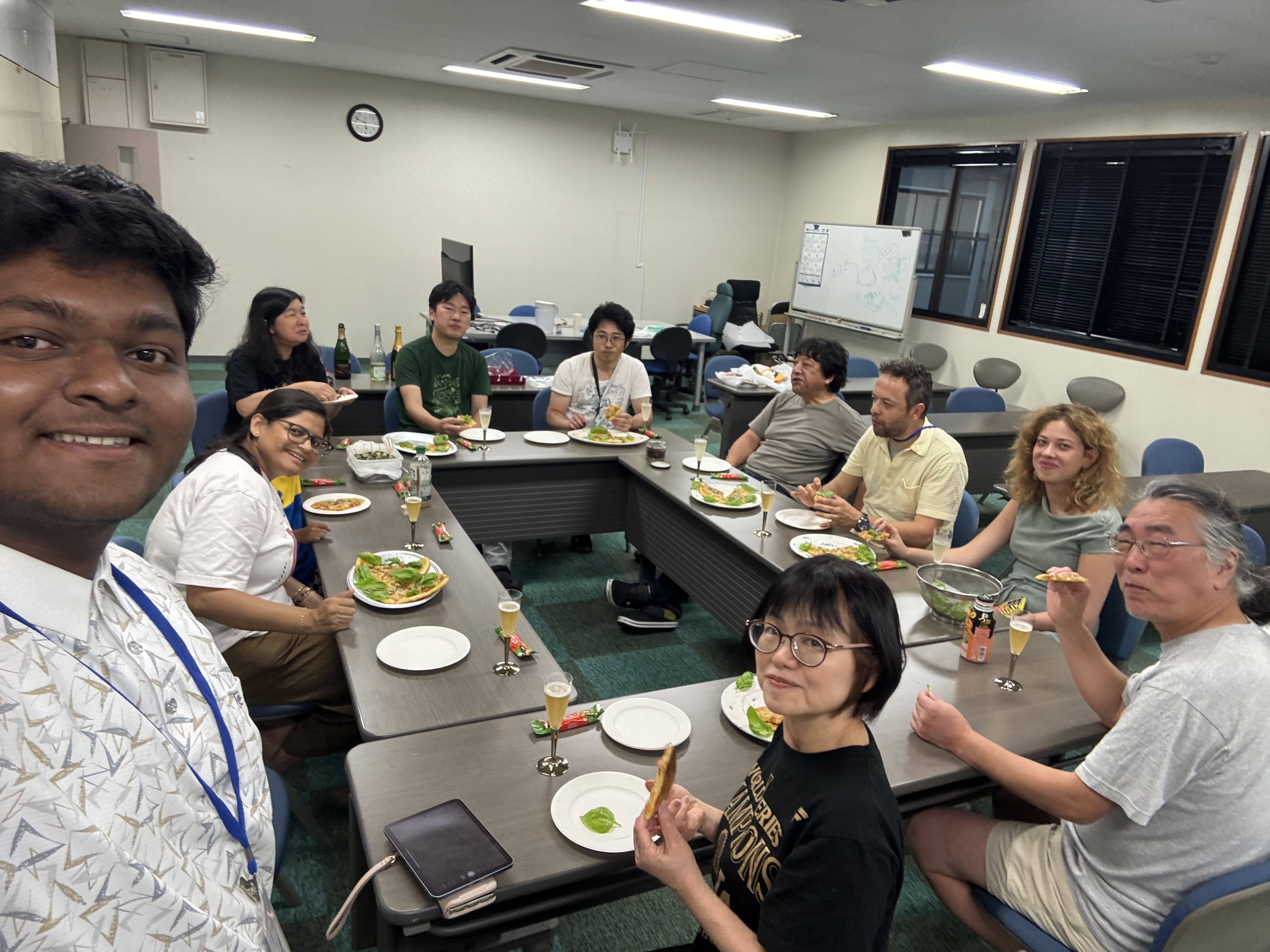
Lab members of SBRC group during our dinner pizza party 🍕🎉
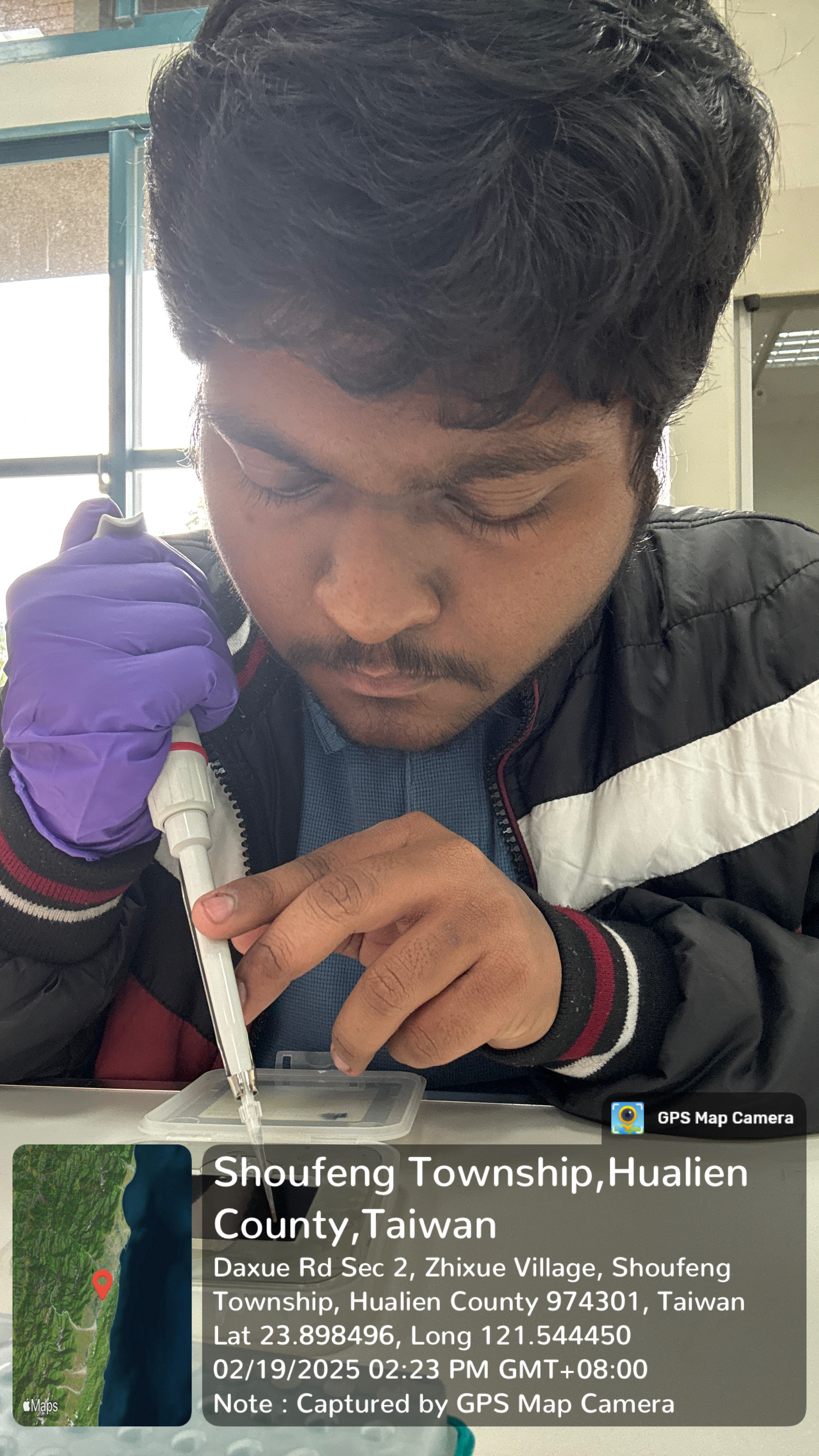
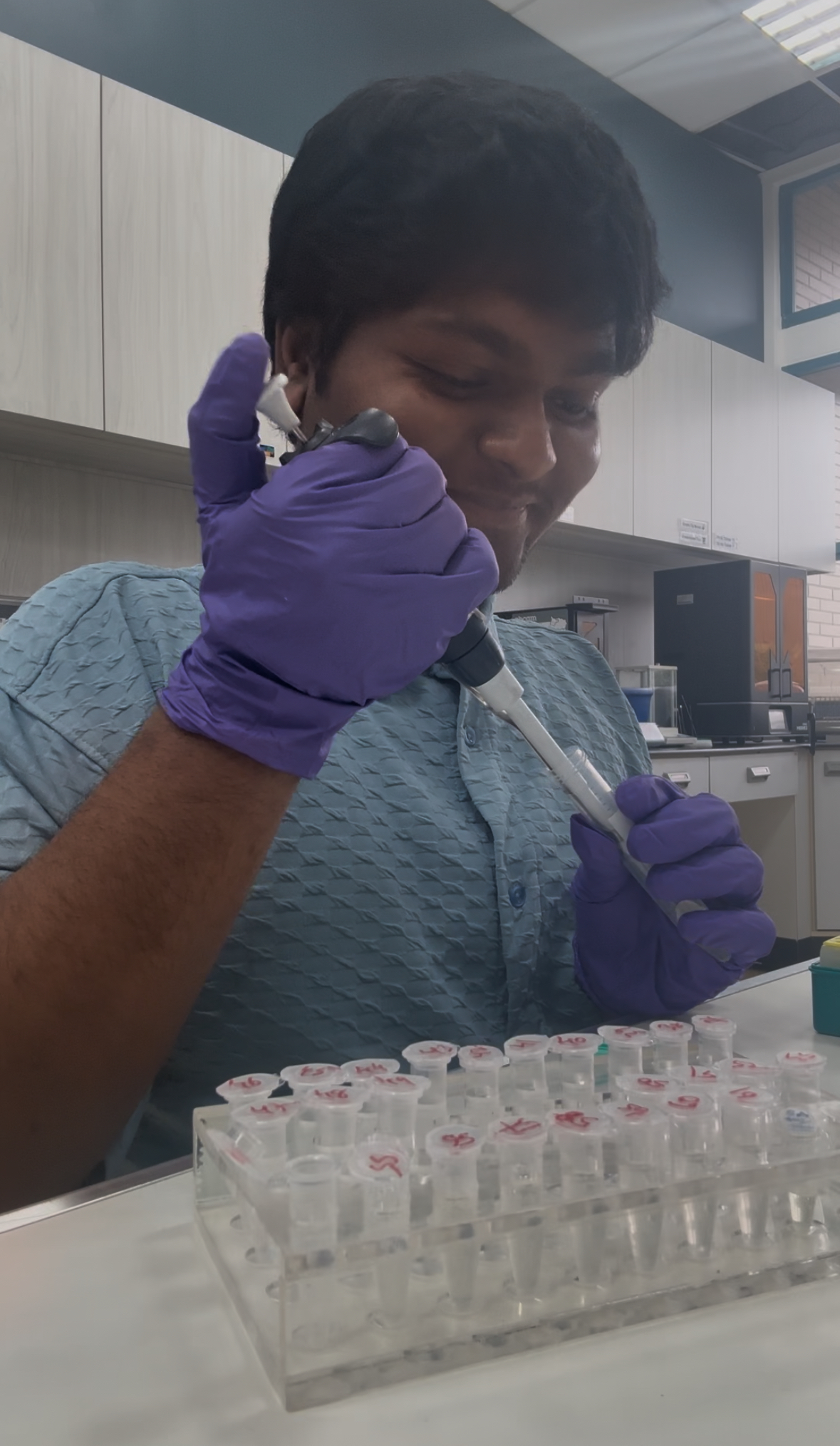 Research Intern, National Dong Hwa University, Hualien, Taiwan (On-site)
JAN’ 25 - JUN’ 25
Operated MALDI-TOF mass spectrometer at Biophysics Mass Spectrometry Lab, NDHU for TB and NTM sample analysis under the supervision of Dr. Wing Peng-Ping and developed ML models for tuberculosis classification using acquired spectral data and performing statistical analysis and feature selection to identify significant m/z peaks, coupled with spectral data visualization for enhanced interpretability.

Lab members of BMS group at Liyu Lake after a trek 🌿
 Research Intern, Joint Institute for Nuclear Research, Moscow, Russia (Remote)
MAR’ 25 - APR’ 25
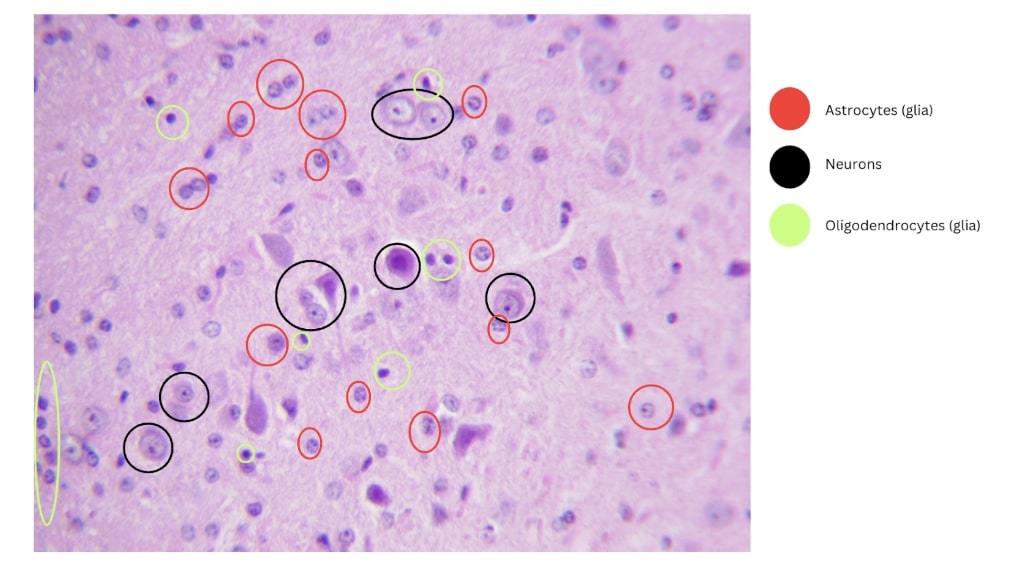
During this internship, I focused on histological analysis of the central nervous system post-irradiation, with two key objectives. First, I performed manual classification of neurons and glial cells using ImageJ’s Cell Counter plugin. I mapped anatomical brain regions with guidance from the Allen Brain Atlas and classical histology references. Second, I quantified apoptotic cell death by analyzing TUNEL-stained sections to detect and compare TUNEL-positive cells between control and irradiated samples. This integrated approach combined traditional neurohistology with digital image analysis to enhance the accuracy and efficiency of CNS pathology assessment. Report Link
 Research Intern, Genomac Hub, Ogbomosho, Nigeria (Remote)
SEP’ 24 - NOV’ 24
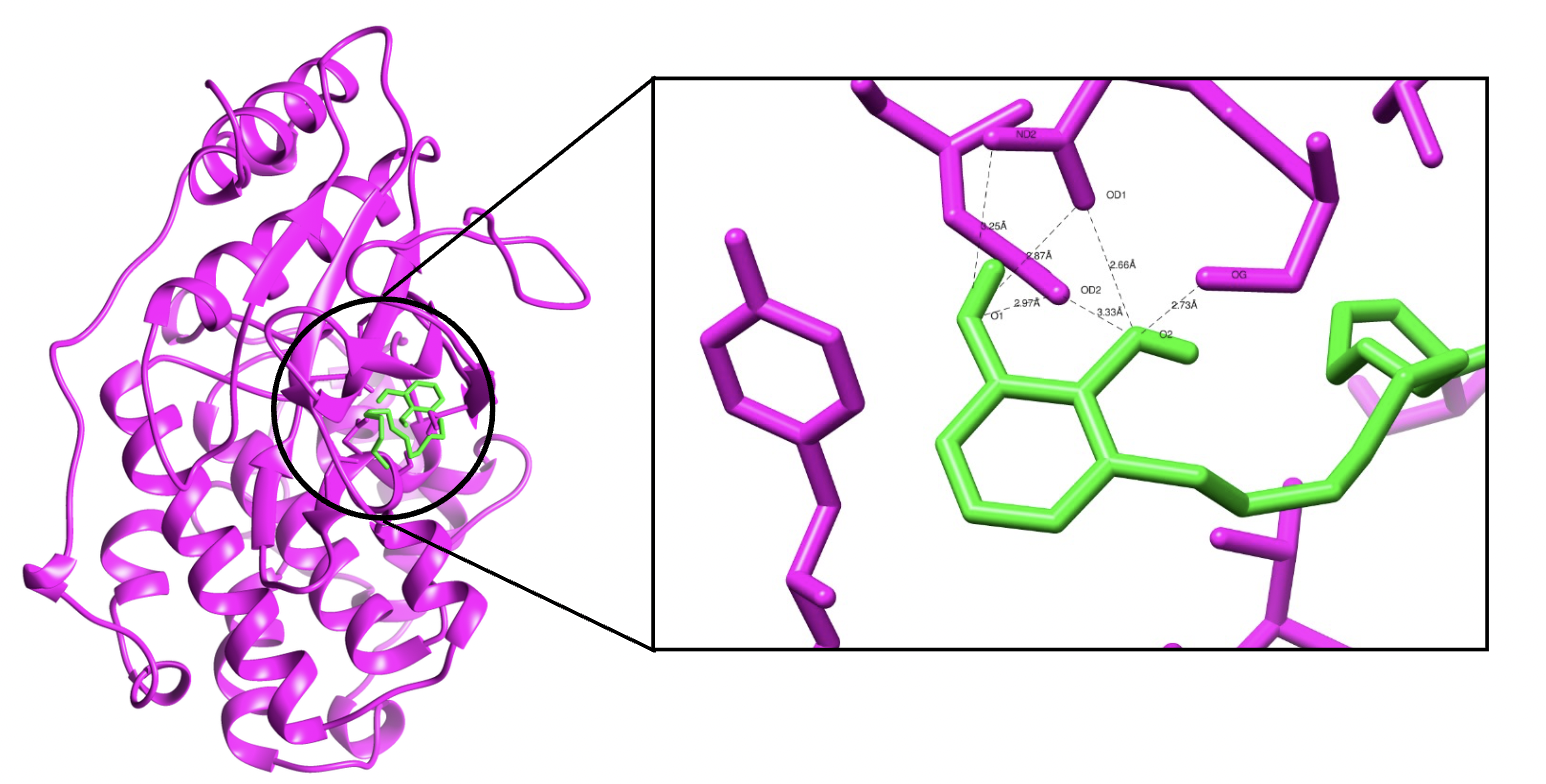
I worked on selecting peptides with potential anti-cancer activity by analyzing key biochemical properties such as hydrophobicity, net charge, stability, half-life, and Boman index. These properties help determine a peptide’s ability to interact with cancer cell membranes, stability in biological environments, and target specificity. Using correlation heat maps and PCA analysis, our team identified 28 bacterial peptides, 18 probiotic bacterial peptides, 6 fungal peptides, and 4 metagenomic peptides. My specific focus was on peptides from the soil bacterium Streptomyces parvus, contributing to the overall findings of potential anti-cancer candidates. Graduation Ceremony
Undergraduate Research Student, Saveetha School of Engineering, Chennai, India (On-site)
JAN’ 23 - MAR’ 24
Under the supervision of Dr. Kannan, I conducted data preprocessing and exploratory data analysis (EDA) on the ChEMBL dataset for Acute Myeloid Leukemia’s drug discovery using pandas and matplotlib/seaborn. I implemented and compared various machine learning models (Random Forest, SVM, XGBoost), achieving an accuracy of 82% with Random Forest for predicting potential drug candidates. Additionally, I performed molecular docking analysis using AutoDock Vina, applied Lipinski’s Rule of Five with RDKit, and executed molecular dynamics simulations using GROMACS to validate and analyze protein-ligand interactions of promising Alzheimer’s drug candidates.